


Amid escalating tensions and a backdrop of continued US military presence in the region, fresh diplomatic efforts concerning the contentious relationship between the United States and Iran appear to be underway. Reports emerged recently of high-level discussions taking place, fueling speculation about potential breakthroughs in a relationship fraught with geopolitical complexities. The international community watches closely as avenues for de-escalation are explored, suggesting a critical juncture in the long-standing standoff between Washington and Tehran. This latest round of engagements aims to navigate the intricate web of grievances and distrust that has characterized bilateral ties for decades, highlighting the urgency of finding common ground.
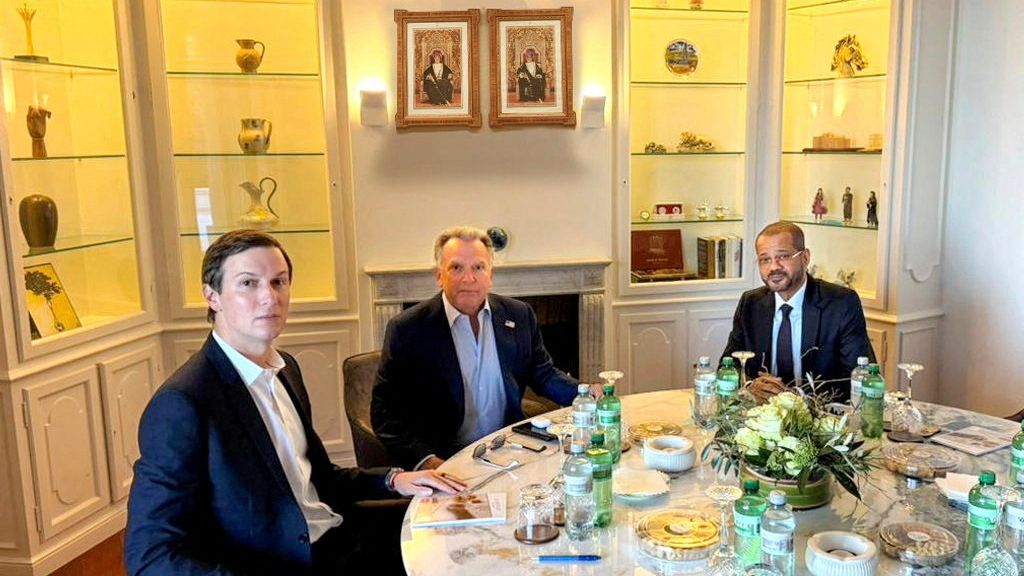
Central to these reported discussions were key US negotiators Jared Kushner and Avi Witkoff, who met on Thursday in Geneva with Oman’s Foreign Minister, Badr al-Busaidi. The involvement of Oman, a long-standing mediator in regional disputes, underscores the sensitivity and high stakes of these talks. While specific details of the agenda remain undisclosed, the very fact of these meetings suggests a renewed impetus for dialogue. The crucial question looming over these discussions is whether they have indeed yielded ‘significant progress,’ a phrase that has surfaced in initial reports. Confirmation of such progress would signal a potentially pivotal shift in the diplomatic landscape, offering a glimmer of hope for a peaceful resolution or at least a de-escalation of current hostilities.
The diplomatic overtures come against a backdrop of what has been described as a ‘US deployment against Iran’ (US-Aufmarsch gegen Iran), indicating a heightened state of military readiness and perceived threat. This military posturing adds immense pressure to any diplomatic process, making successful negotiations even more imperative to avoid further escalation. The evocative phrase ‘Last Exit Vienna?’ (Letzte Ausfahrt Wien?) from earlier reports captures the sense of urgency and the perceived finality of these diplomatic windows. While the current talks are situated in Geneva, the sentiment implies that this might be one of the last opportunities for a negotiated solution before the situation deteriorates irrevocably. The challenges include Iran’s nuclear program, regional proxy conflicts, and ongoing sanctions.
Observers are cautiously optimistic but remain realistic about the hurdles ahead. The path to comprehensive agreement between the US and Iran is long and winding, paved with historical mistrust and deep-seated ideological differences. The role of third-party mediators like Oman is vital in bridging communication gaps and fostering an environment conducive to substantive dialogue. Whether the recent Geneva meetings indeed mark ‘significant progress’ or merely represent initial steps in a protracted negotiation process remains to be seen. The coming weeks will likely reveal more about the substance of these discussions and their potential to steer the US-Iran relationship away from confrontation towards a more stable, albeit challenging, future.
Source: Read Original
